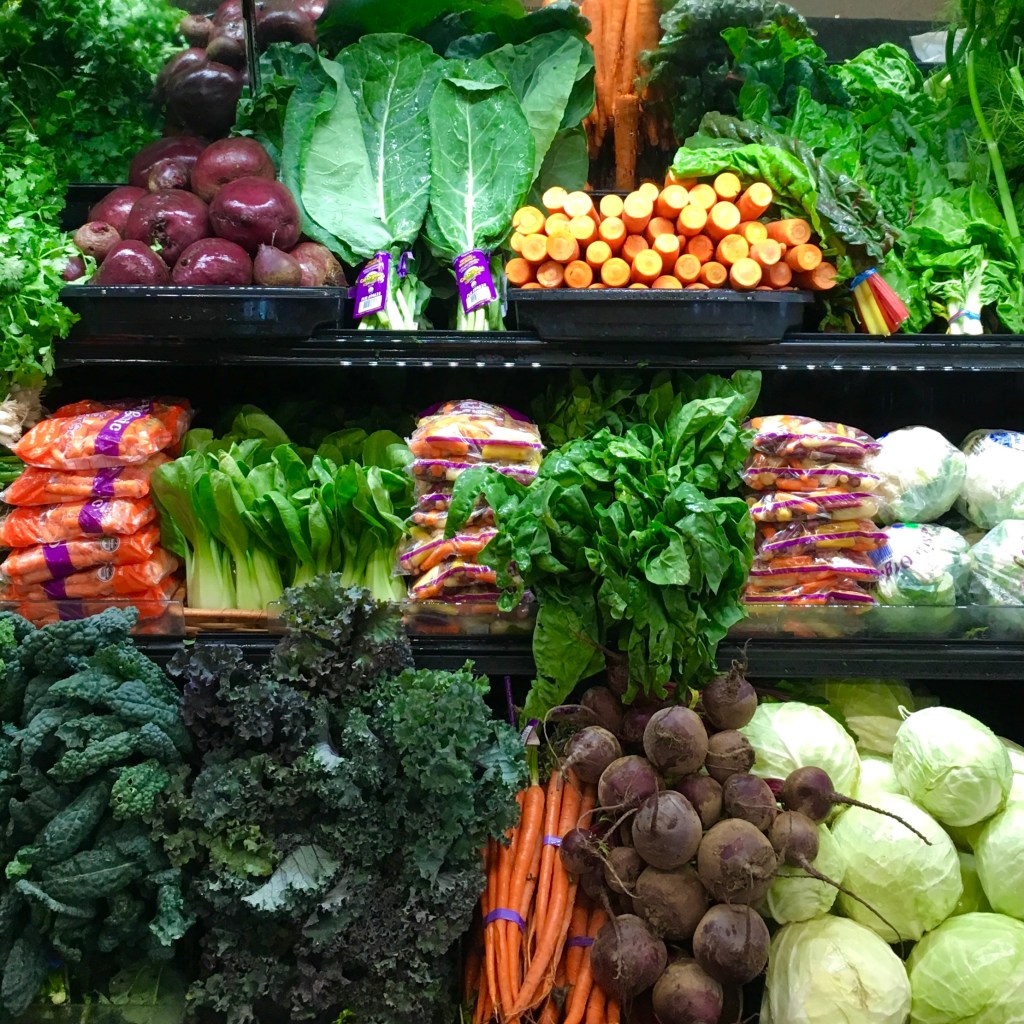
Ten Staple Vegetables for Vegan Meals
These ten basic ingredients will keep you covered when it comes to lunch and dinner—just add rice and spice, sauce and noodles, or beans and tortillas, and you’ve got a meal. Mix and match to make chili, jambalaya, tacos, stir fry, curry, soups, salads, sandwiches, and more. You’ll see a lot of recipes on this site that start out with two or three of these basics.
If you’re new to vegan cooking—or new to eating vegetables at all—these ten staples will get you started. Except for the lettuce, they all keep well, so you don’t have to worry about using them right away if you don’t have time to cook.
Feel free to add your favorite veggies or seasonal produce from the farmers market, and, if you’re feeling adventurous, any new veg you want to try. Fresh herbs like cilantro, parsley, and dill are always flavorful additions to your list as well.
Let’s take a closer look at each of these veggies and how to store them.
Ten Veggies to Keep on Hand for Everyday Vegan Cooking
1: Potatoes
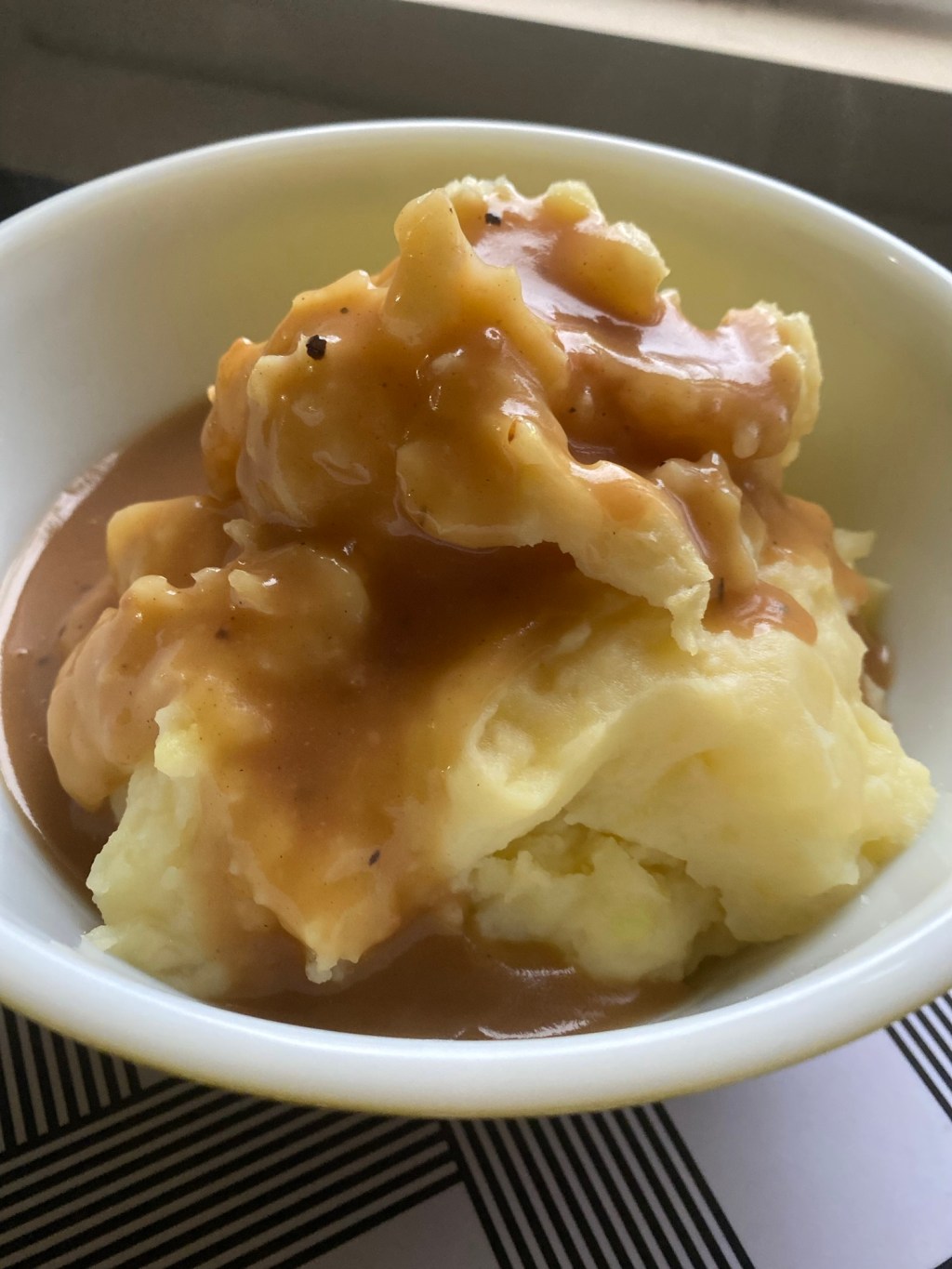
Red, gold, russet, or sweet—potatoes are nutritious and super versatile. From your classic baked potato or mashed potatoes and gravy to potato salad, fries, or hash, potatoes are a people pleaser. You can put potatoes in just about anything, whether it’s a breakfast burrito or a curry, or serve them as a side.
Store potatoes in a brown paper bag in a cool part of your kitchen that’s not exposed to a lot of light.
2: Onions
Probably at least four night a week, my dinners start out with frying some onions in my cast iron skillet. Just heat a little oil, throw in some chopped onion, and someone will walk by and say, “Mmm, that smells good.” If chopping onions makes you cry, peel the onion, then slice it in half and rinse it under some warm water to cut down on tears.
Store onions in a hanging basket or a bowl in a cool, dry part of your kitchen. Save the skins for making soup broth—they’ll add a lot of flavor.
3: Garlic
It may be a pain to peel, but I’m a big fan of fresh garlic. It’s antibacterial, antiviral, antifungal, and also keeps vampires away. To save time chopping, get yourself a garlic press. Or, try roasting whole heads of garlic in the oven—just slice the top off, drizzle with olive oil, and bake until soft, sweet, and buttery.
Store your garlic with your onions in a cool, dry part of your kitchen. Keep the skins for soup stock.
4: Carrots
What’s up, doc? Carrots have tons of Vitamin A, which is super good for your eyesight, immune system, bone health, and even your skin. You can eat them raw or cooked, and if you buy organic carrots, they’ll probably taste sweeter than you expected. I typically use them them for stir fry and red lentil carrot curry.
Store carrots in the crisper drawer in your refrigerator. If you peel them, save the peelings for soup stock, but toss the ends where the carrot tops were, because they might be moldy.
5: Celery
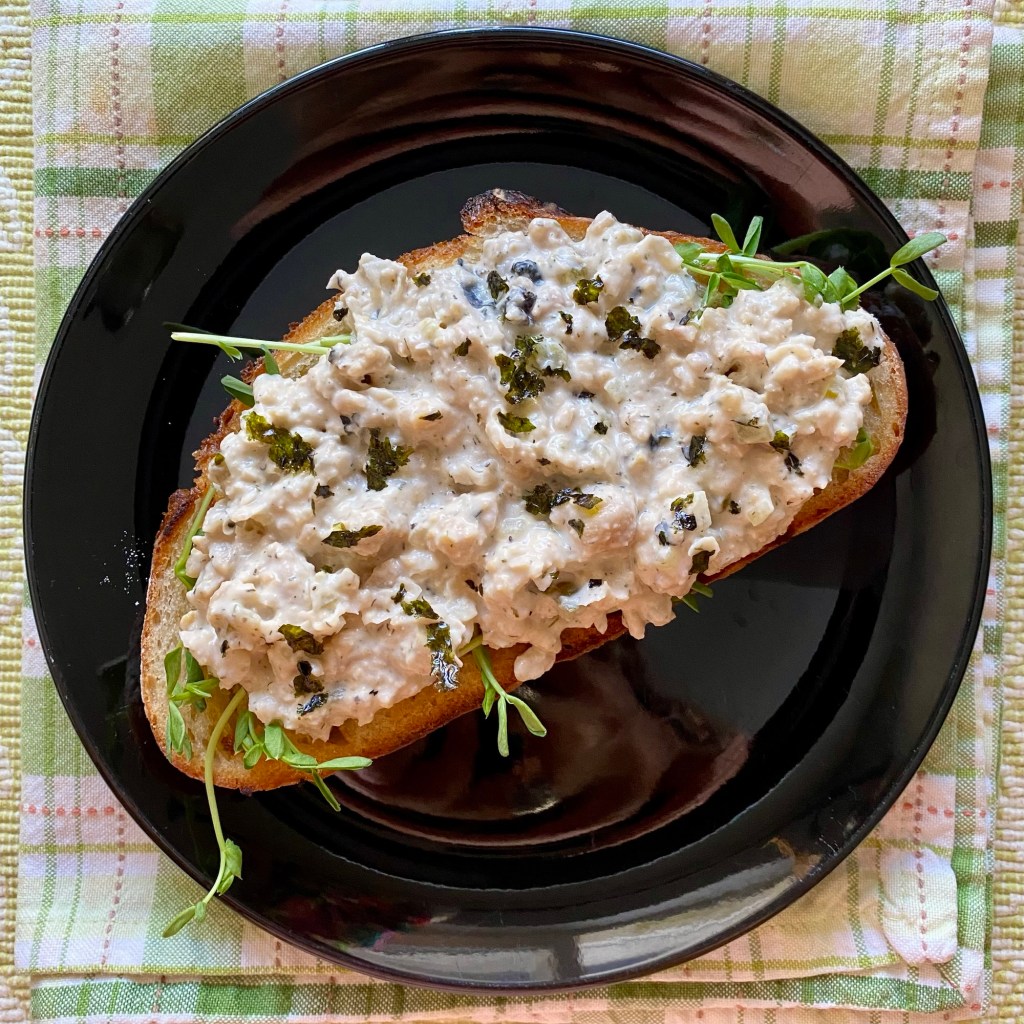
Not everybody likes celery on its own, or uses it as a vehicle for peanut butter like I do. However, it can add a unique flavor to soups and jambalaya, or a bit of crunch to a chickpea “chicken” salad.
Store celery in the crisper drawer with your carrots. Save the tops and any other trimmings for your next batch of veggie broth.
6: Peppers
Bell, banana, fresno, hatch, jalapeño, habañero, poblano, serrano, shishito…peppers come in a huge range of colors, sizes, and heat. You can stuff them, slice them as a garnish, or spice up any ordinary dinner if you keep peppers on hand.
Store peppers in the crisper drawer. Remove the seeds when you chop them, otherwise your meal will taste bitter. Be careful handling some types of peppers—wear food service gloves if you’re working with hot peppers like habañeros, and be careful not to touch your eyes or lips.
7: Tomatoes
Technically a fruit, I know, but since tomatoes usually go in savory dishes, I’m including them in the veggie list. I recommend buying tomatoes only when they’re in season, so they have some flavor, but sometimes hothouse tomatoes taste all right. In the dead of winter, shop for canned or sundried tomatoes.
Never store tomatoes in the refrigerator! The cold and dark makes them completely tasteless. Tomatoes love to soak up the sun, even off the vine, so store them in a dry, sunny place if you can.
8: Lettuce
I’m not much of a salad eater, but I still like to have lettuce on hand for sandwiches and tacos. Lettuce also comes in many varieties, so try a few to find out which one you like best. And in the summertime, if you’re grilling, throw a sliced head of romaine on the barbecue. It’s surprisingly tasty grilled!
Store lettuce in the crisper drawer of the refrigerator. I recommend buying heads of lettuce rather than the pre-chopped stuff. It’s cheaper and tastier. If your lettuce starts looking a little wilted, slice the bottom of the stem off, and soak the entire head in some icy cold water to perk it back up.
9: Cabbage, Kale, or Spinach
Dark leafy greens are a must when you’re cooking vegan meals. Shred them up for taco toppings, throw them in a curry or stir fry, or just sauté for a couple minutes with a little oil and soy sauce. I like cabbage because it’s super cheap and it keeps forever in the fridge.
Store in the crisper drawer. Save the stems for making soup stock.
10: Corn
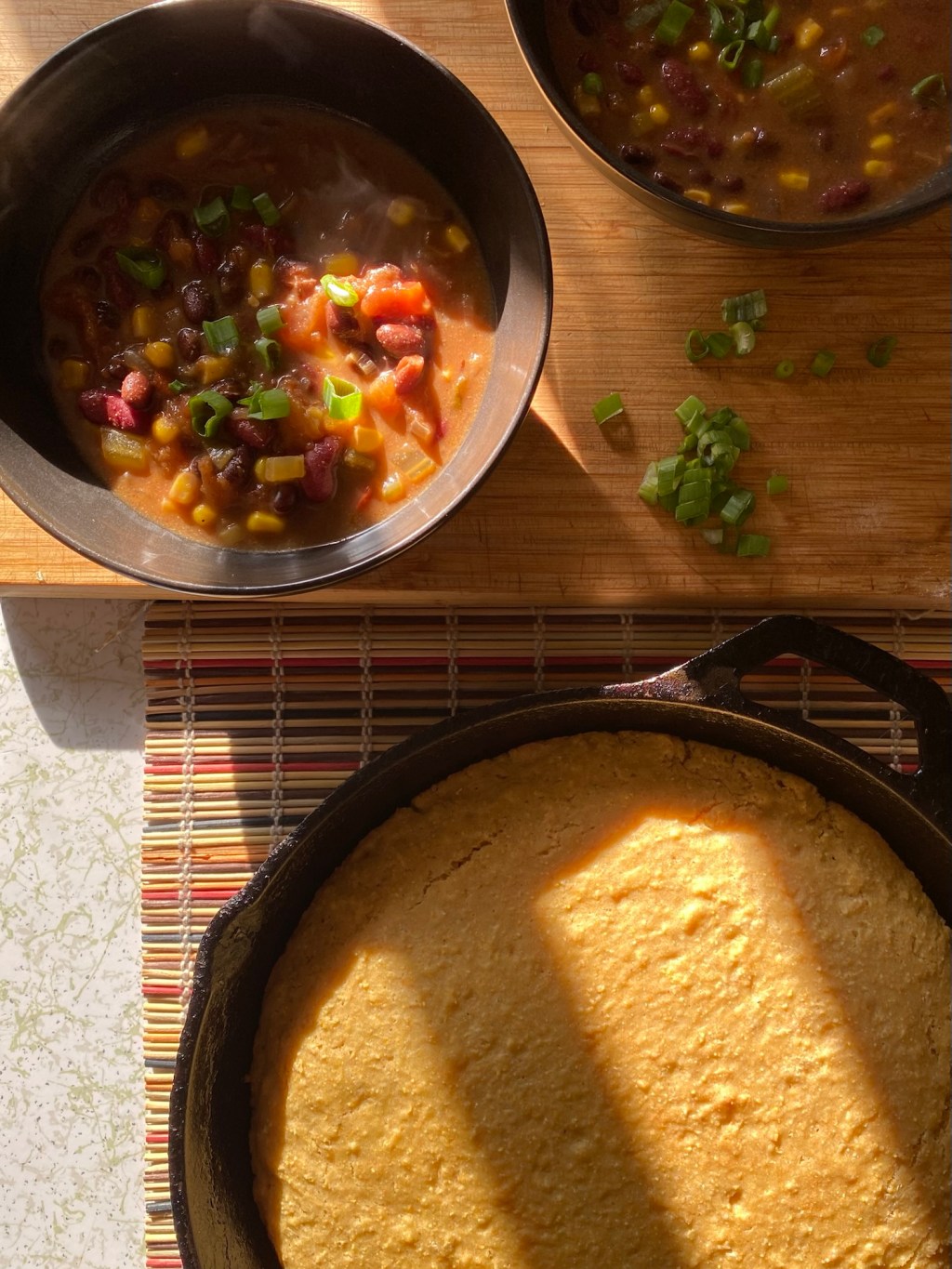
Frozen corn is easy to keep on hand, and it adds color and texture to tacos, chili, soups, and more. In the summertime, I love to buy fresh corn—especially for my basic corn chowder—but the rest of the year, I always keep some frozen corn on hand.
If frozen, store in the freezer (obviously), and if fresh, in the refrigerator. Fresh corn expires pretty quickly, but frozen corn will keep indefinitely.


 Basic Vegan Chef
Leave a comment